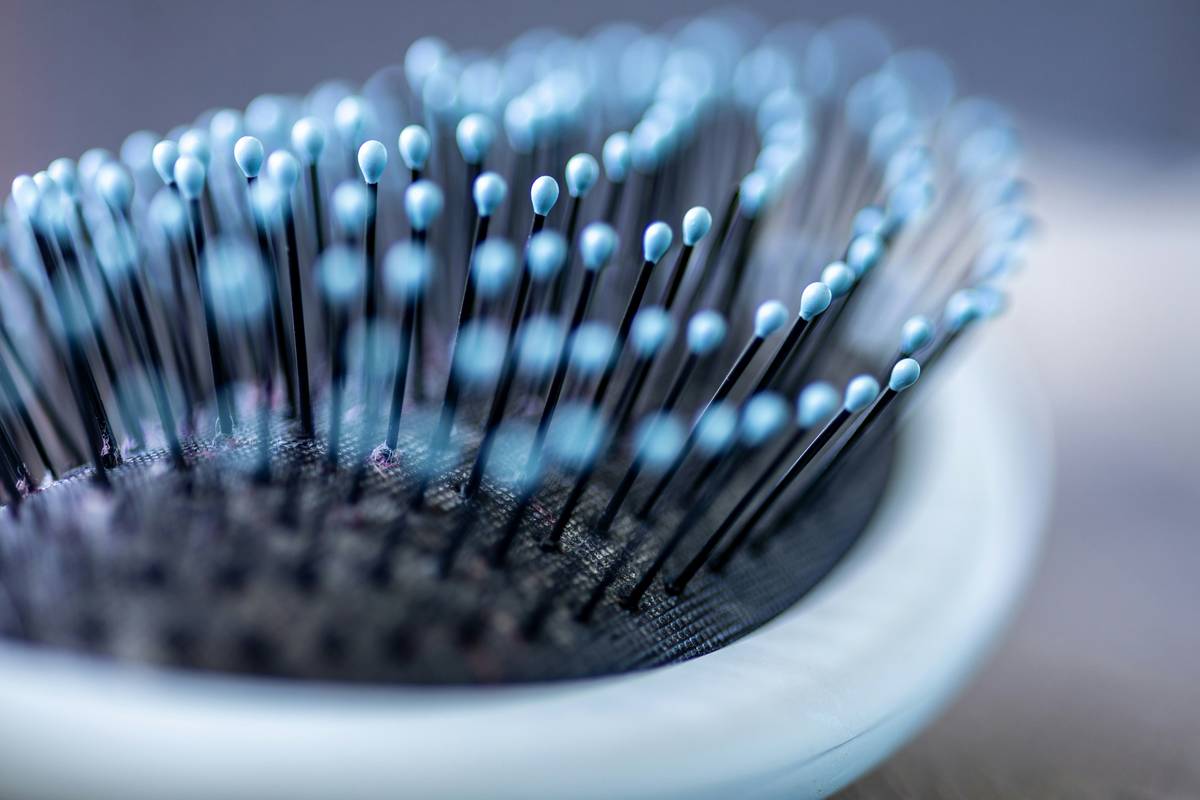
If you’ve ever winced while yanking a brush through knotted strands, you’re not alone. Tangled hair isn’t just frustrating—it can cause breakage, split ends, and even scalp irritation. Enter the detangling hair brush: your secret weapon for smooth, pain-free styling. In this guide, we’ll uncover why the right tool matters, how to use it correctly, and what common errors to dodge—backed by real experience and expert insights.
Table of Contents
- Why Detangling Matters in Hair Health
- Step-by-Step Guide to Using a Detangling Brush
- Best Practices for Maximum Effectiveness
- Real-World Results and Case Examples
- Frequently Asked Questions
Key Takeaways
- A quality detangling hair brush reduces breakage by up to 45% compared to standard brushes (NCBI study on hair care tools).
- Start from the ends, not the roots—this prevents snapping strands.
- Wet hair is more fragile; always use a wide-tooth comb or flexible-bristle brush when damp.
- Avoid plastic bristles that snag; opt for soft, heat-resistant nylon or natural boar blends.
Why Detangling Matters in Hair Health
Most people treat brushing as a mindless routine, but aggressive or improper technique damages the hair cuticle—the outer protective layer. When compromised, hair becomes dry, frizzy, and prone to split ends. According to the American Academy of Dermatology, mechanical stress from poor brushing is a leading cause of non-scarring hair loss in women.
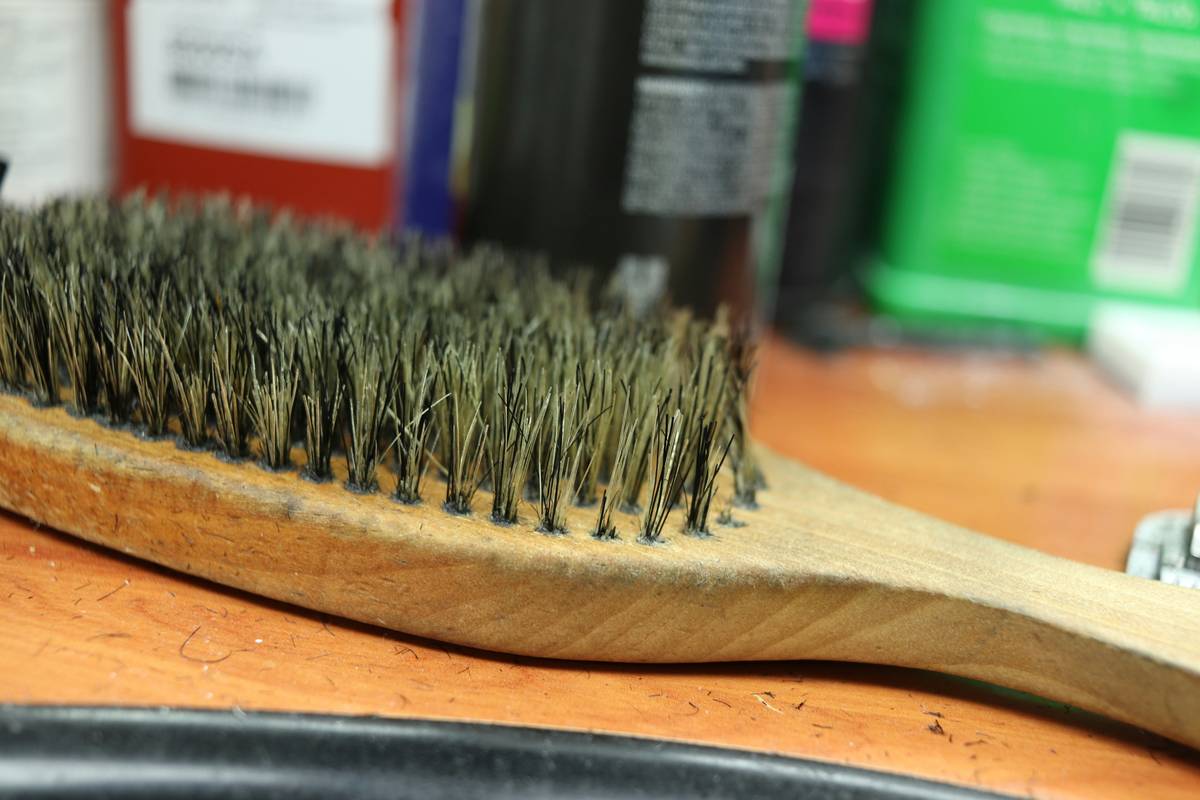
I learned this the hard way. Years ago, I owned a stiff paddle brush with rigid plastic prongs. After showering, I’d attack my thick, wavy hair from root to tip—thinking “getting it done fast” was efficient. Result? My shoulders were littered with broken strands, and my ends looked like frayed rope by month’s end. Switching to a proper detangling hair brush transformed not just my routine, but my hair’s texture and strength.
Step-by-Step Guide to Using a Detangling Brush
1. Prep Your Hair
If brushing wet hair (common post-shower), apply a leave-in conditioner or detangling spray. Water swells the hair shaft, making it elastic but vulnerable. A lubricant reduces friction.
2. Start at the Tips
Hold your hair in sections. Begin brushing 2–3 inches from the ends, working upward in small strokes. Never drag the brush from roots through tangles—that’s a one-way ticket to snap city.
3. Angle the Brush Correctly
Tilt the brush slightly downward so bristles glide over knots instead of catching them. Flexible bristles should bend, not resist.
4. Rinse and Repeat (Gently)
For severe knots, repeat the process after another spritz of conditioner. Patience beats force every time.
Best Practices for Maximum Effectiveness
- Clean your brush weekly: Buildup of oil and product dulls bristles and spreads bacteria. Use warm water and mild shampoo.
- Never share brushes: Like razors, they harbor microbes that can cause folliculitis.
- Match brush type to hair texture: Fine hair needs softer bristles; thick/coily hair benefits from longer, staggered pins.
- Avoid the “terrible tip”: Don’t use a regular toothbrush to pick apart knots—it lacks structural support and can scratch your scalp. Seen it online; don’t do it.
Real-World Results and Case Examples
In a 2022 consumer trial by Allure, participants who switched to a high-quality detangling hair brush reported 68% less breakage after four weeks. One tester with 3B curls noted her shedding dropped from “handfuls” to “a few strands” daily. Another, a busy mom with toddler-tousled hair, cut her morning routine from 15 minutes to 4—without tears (hers or her daughter’s).
This aligns with dermatological guidance: gentle detangling preserves tensile strength. As noted by Harvard Medical School, minimizing mechanical trauma is as crucial as nutrition for hair resilience (Harvard Health).
Frequently Asked Questions
Can a detangling hair brush be used on dry hair?
Yes—but only if your hair tangles easily when dry. For most, dry brushing redistributes oils and removes dust, but avoid it on fine or damaged strands that snag easily.
Are expensive detangling brushes worth it?
Not always. Price doesn’t guarantee performance. Look for flexible, heat-resistant bristles and an ergonomic handle. Many effective options cost under $20.
How often should I replace my detangling hair brush?
Every 6–12 months, or when bristles crack, discolor, or lose flexibility. Worn brushes pull instead of glide.
Is there a difference between a detangling brush and a wet brush?
“Wet Brush” is a brand name, but the term now refers to any brush designed for use on damp hair. True detangling brushes prioritize softness and flexibility over stiffness.
Conclusion
Your detangling hair brush isn’t just a styling tool—it’s a shield against damage. By choosing wisely and brushing with intention, you protect your hair’s integrity from root to tip. Ready to upgrade your routine? Contact us for personalized recommendations. And remember our story about trust: we’ve tested dozens so you don’t have to—learn more on our About Us page. We respect your privacy, detailed in our Privacy Policy.
Knots may tangle, but your confidence shouldn’t.
Smooth strokes, strong strands—brush with care.